
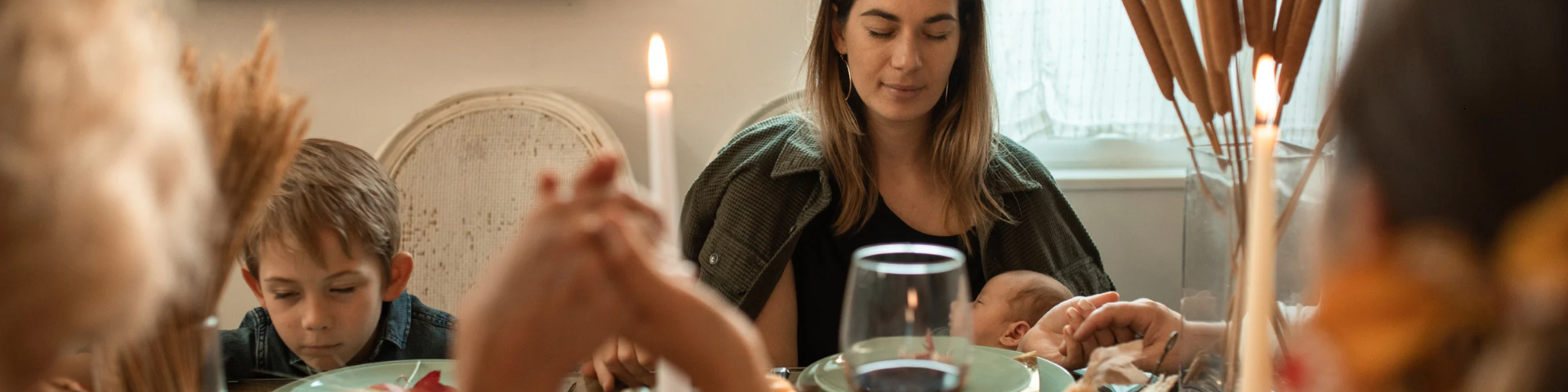
You can spend most of the year feeling emotionally steady, comfortable with the changes you’ve made, and confident in how you’re handling life, only to sit down at a family gathering and suddenly feel like a much younger version of yourself.
Maybe a familiar comment makes you defensive in a way you haven’t felt in years. A holiday tradition brings an unexpected wave of grief. Or you find yourself worrying about a family gathering weeks before it happens, even though you thought you’d moved past those concerns.
Experiences like these can be confusing, particularly when you’ve worked hard to understand your emotions, improve relationships, or manage your mental health. You may wonder why something that hasn’t bothered you in months or even years suddenly feels so significant again.
The answer often has to do with the way our brains connect memories, emotions, relationships, and familiar experiences. The holidays happen to bring many of those things together at once.
Why Familiar Experiences Can Bring Back Old Emotions
Our memories aren’t stored as isolated facts about things that happened. They’re connected to the sights, sounds, smells, people, and emotions associated with those experiences.
Think about how quickly a familiar song can remind you of a particular time in your life. The smell of a holiday meal might bring back memories of childhood, while walking into a relative’s home may remind you of family gatherings from decades ago.
These associations can happen without much conscious effort. Research on autobiographical memory has demonstrated that emotional cues influence both which personal memories we retrieve and how we experience remembering them. Other research has found that odors associated with personal memories can evoke particularly strong emotional responses.
This helps explain why holiday traditions can feel emotionally significant even when nothing particularly unusual is happening in the present.
A familiar setting may remind you of an earlier experience, and some of the feelings associated with that experience may return. That doesn’t mean you’re reacting irrationally or that you’ve lost the ability to manage your emotions. It means the present situation has connections to your personal history.
Of course, not every uncomfortable holiday interaction is about the past. Sometimes the circumstances you’re dealing with today are genuinely difficult. Understanding the difference is part of making sense of your response.
Why Family Gatherings Can Bring Back Old Relationship Patterns
Family relationships have histories that are often much longer than our other adult relationships. We’ve spent years learning how to communicate with particular people, what to expect from them, and how to respond when certain situations arise.
Those patterns don’t necessarily disappear simply because we’ve grown older or changed how we approach relationships.
You may be confident and assertive in your professional life but find yourself struggling to speak up around a parent. You might have learned to manage conflict more effectively, yet still become defensive when a sibling makes a familiar remark. Someone who has worked hard to establish independence may feel frustrated when relatives continue treating them according to expectations formed years earlier.
Sometimes the reaction is connected to a familiar interpersonal pattern. Other times, the family dynamic itself hasn’t changed very much, even though you have.
I think that’s an important distinction. We shouldn’t automatically assume that every difficult emotional response is an old issue resurfacing. People can have perfectly reasonable reactions to things happening in the present.
What matters is recognizing the interaction between your history, your expectations, and what’s actually taking place. You may not be able to change how someone else behaves, but you can become more aware of how you respond and what choices are available to you.
Grief Has a Way of Returning Through Traditions
The holidays can also bring grief into focus, sometimes when we least expect it.
You may have adjusted to life after losing someone and feel that you’ve been managing reasonably well. Then a familiar recipe, a favorite song, or the absence of someone at the dinner table brings a sadness that feels surprisingly intense.
Researchers have studied what are sometimes called anniversary reactions, emotional and sometimes physical responses that occur around meaningful dates or occasions following a loss.
A 2025 systematic review of 58 publications on bereavement anniversary reactions found evidence that significant occasions can be associated with renewed grief and other psychological responses. An earlier prospective study of older widowed adults also found increased distress around certain personally meaningful dates and occasions, particularly during the earlier months following a loss.
These findings help explain something many grieving people already recognize: grief doesn’t always follow a predictable timeline, and meaningful occasions can bring feelings back into focus.
That doesn’t necessarily mean someone is struggling to accept a loss or that their grief has become unhealthy. Missing someone during an occasion they once shared with you is a natural response to that person’s significance in your life.
It’s also possible to enjoy a holiday while grieving. You might laugh with family, appreciate a tradition, and feel the absence of someone you love, all during the same afternoon. Those experiences don’t contradict each other.
Sometimes the Anticipation Is Harder Than the Event
For some people, the most emotionally difficult part of the holidays begins long before the gathering itself. You may start thinking about who will be there, what someone might say, whether an uncomfortable conversation will happen, or how you’ll respond if it does. By the time the event arrives, you’ve already spent considerable energy imagining different possibilities.
This is one way anticipatory anxiety can appear. Rather than responding only to something happening now, your mind is responding to what you believe might happen later.
Some preparation is useful, particularly when you have good reasons to expect a difficult situation. But repeatedly rehearsing conversations, imagining negative outcomes, or trying to anticipate every possible problem can leave you feeling anxious before anything has actually occurred.
During an appointment, I might ask whether the event itself usually turns out to be as difficult as you expected. I’d also want to understand whether your concerns are based on previous experiences, current circumstances, or a broader pattern of anxiety.

Those details matter because the goal isn’t to convince someone that their concerns are unfounded. It’s to understand what’s driving the anxiety and whether their current way of managing it is helping.
Changes in Routine Can Affect Your Emotional Well-Being
We tend to think about holiday stress in terms of shopping, travel, family expectations, and busy schedules. But changes in everyday routines can also influence how we feel.
People may stay up later, sleep less consistently, travel across time zones, eat at unusual hours, or have less time for the activities that normally help them feel settled.
Sleep is particularly important because it influences emotional functioning. A large systematic review and meta-analysis of 154 experimental studies found that sleep loss reduced positive emotional experiences and increased anxiety symptoms. Another meta-analysis examining sleep loss, mood, and emotion regulation found that inadequate sleep was associated with poorer emotional functioning across several measures.
In everyday terms, that means a conversation you might normally handle without much difficulty can feel considerably more frustrating when you’re exhausted.
For people managing depression, anxiety, bipolar disorder, or other psychiatric conditions, changes in sleep and routine may be especially important. Maintaining treatment routines and recognizing early changes in symptoms can help reduce unnecessary disruptions.
This doesn’t mean you need a rigid holiday schedule. It means that when you’re trying to understand why your mood or emotional reactions have changed, sleep and daily routines deserve consideration alongside whatever else is happening.
Having an Emotional Reaction Doesn’t Mean You’ve Lost Your Progress
One of the concerns I hear when people experience an old emotional response is the fear that they’re moving backward.
They may have spent months working on anxiety, improving communication, addressing difficult relationships, or recovering from depression. When an unexpected emotional reaction occurs, it’s tempting to interpret it as evidence that none of that work has made a difference.
But progress in mental health isn’t measured by whether you ever experience an uncomfortable feeling again. A more useful question is how you’re responding to those feelings now compared with how you might have responded in the past.
Maybe you still feel anxious before a family gathering, but you understand what contributes to that anxiety. Perhaps a familiar comment still bothers you, but you’re better able to recognize your reaction and decide whether to engage. You may still experience grief during a holiday tradition, but you no longer feel compelled to suppress it. Those are meaningful differences, even when the underlying emotions remain familiar.
Treatment doesn’t erase personal history or make every relationship easy. It can help you better understand your experiences, recognize patterns, and develop more effective ways of responding.
When Holiday Emotions Deserve More Attention
Not every difficult holiday experience indicates a mental health condition. Feeling sad about someone you’ve lost, frustrated by family conflict, or anxious about a demanding schedule can be understandable responses to your circumstances.
What deserves closer attention is a significant or persistent change in how you’re feeling or functioning.
If sadness becomes difficult to shake, anxiety begins interfering with everyday activities, sleep changes substantially, or you lose interest in things you ordinarily enjoy, those symptoms are worth discussing with your mental health provider.
For people already receiving psychiatric treatment, the holidays can also be a useful time to pay attention to changes in established symptoms. You don’t need to wait until you’re experiencing a crisis to mention that something feels different.
During an appointment, we can look at when the symptoms began, how they’re affecting your daily life, whether they resemble previous episodes, and what may be contributing to them. That helps us distinguish understandable emotional responses from changes that may require additional treatment or support.
You Don’t Have to Experience the Holidays the Same Way Every Year
One of the more helpful things to recognize about the holidays is that traditions, relationships, and personal circumstances change.
An activity that once brought you joy may feel different after a loss. A family gathering you used to attend without question may no longer fit comfortably into your life. You may find that your emotional needs have changed, even if the expectations around you haven’t.
None of that automatically means something is wrong.
The holidays can bring up memories and feelings from many different periods of our lives, but we’re experiencing them as the people we are today. Understanding that connection can help us respond more thoughtfully rather than assuming that every familiar emotion means we’ve returned to an earlier version of ourselves.
And if the feelings become difficult to manage, it’s reasonable to bring them into a conversation about your mental health. Sometimes understanding why a particular time of year affects you is an important part of understanding what you need now.